A Comprehensive Guide to the Various Kinds Of Bulk Plastic Containers Available Today
Bulk plastic containers play an important function in numerous sectors, using remedies for storage and transportation. Their diverse types satisfy different needs, from stiff alternatives for solid materials to versatile containers fitting different shapes. Each type offers distinctive advantages, making it important to recognize their attributes and applications. As sectors progress, so do the needs for effective container solutions. What variables should one take into consideration when picking the ideal bulk container?
Review of Bulk Plastic Containers

Sorts Of Bulk Plastic Containers
Bulk plastic containers can be found in different kinds, each fit to particular applications. Stiff bulk containers, flexible mass containers, and intermediate mass containers represent the main categories, each offering unique advantages. Comprehending these kinds is vital for selecting the right container for transferring and saving products.

Rigid Mass Containers
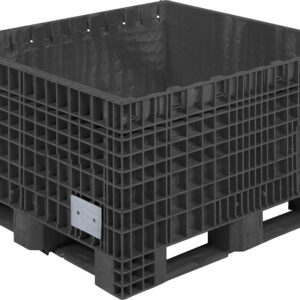
Rigid bulk containers are vital for effective storage and transport of different products across markets. These containers are commonly created from sturdy plastics, enabling them to endure rough handling and environmental conditions. They are available in various shapes and dimensions, including drums, totes, and bins, making them appropriate for keeping every little thing from granular compounds to fluids. Inflexible containers frequently feature strengthened walls and secure covers, making certain the contents stay shielded throughout transit. Their stackable design takes full advantage of storage space, making them suitable for storehouses and making centers. Furthermore, numerous stiff bulk containers are recyclable and recyclable, adding to sustainability initiatives. On the whole, their effectiveness and convenience make rigid bulk containers a vital part in supply chain operations.
Adaptable Bulk Containers
Adaptable mass containers, often referred to as versatile intermediate bulk containers (FIBCs), work as a functional remedy for transporting and keeping a range of completely dry products. These containers are commonly made from woven polypropylene and are created to be lightweight yet solid, allowing for reliable handling and stacking. Their versatility allows them to suit different sizes and shapes, making them appropriate for items varying from grains to chemicals. FIBCs can be geared up with features such as spouts for very easy filling and discharge, in addition to protective finishings for enhanced durability. In addition, they are recyclable and reusable, adding to sustainable techniques in industries such as farming, food processing, and construction. On the whole, adaptable mass containers supply a reliable and cost-effective alternative for mass product monitoring.
Intermediate Mass Containers
Intermediate bulk containers (IBCs) are vital for the reliable transport and storage space of fluids and granular products across numerous markets. These containers usually have a capability ranging from 275 to 330 gallons and are developed for very easy piling and managing. Made from sturdy materials like high-density polyethylene or steel, IBCs offer excellent protection against contamination and environmental elements. Their design includes functions such as an integrated pallet for forklift gain access to and a removable top for very easy filling and cleaning. IBCs are extensively used in chemical, food, and pharmaceutical industries, guaranteeing compliance with safety and security guidelines. Their convenience and reusability make them a cost-effective option for bulk storage and transportation, adding to supply chain performance and sustainability.
Features and Advantages of Bulk Plastic Containers
Mass plastic containers are crucial devices in numerous industries, supplying a mix of toughness and functionality. These containers are built from top quality products, making them immune to effects, chemicals, and ecological variables. This toughness warranties product safety during storage space and transportation.
Furthermore, mass plastic containers are light-weight, promoting convenience of decreasing and dealing with shipping prices. Their stackable style optimizes storage efficiency, enabling for maximized warehouse space. Numerous versions include secure covers or closures, supplying an impermeable seal that preserves materials and stops contamination.
In addition, mass plastic containers are recyclable and typically reusable, adding to lasting methods. Their convenience permits a variety of applications, from food storage space to commercial use, boosting their worth throughout sectors. Companies profit from the long life-span and low maintenance needs of these containers, making them a cost-effective service for both short-term and lasting requirements.
Industries That Use Mass Plastic Containers
Numerous sectors gain from making use of mass plastic containers, each leveraging their distinct properties for particular applications. The food and drink industry depends on these containers for risk-free storage space and transport of products, while the chemical manufacturing field uses them for handling harmful materials. In addition, the pharmaceutical distribution requires highlight the importance of toughness and sanitation in product packaging services.
Food and Drink Industry
As the need for secure and efficient storage space solutions remains to increase, the food and drink industry significantly counts on mass plastic containers for their operational requirements. These containers offer robust, lightweight, and functional choices for keeping ingredients, completed products, and waste products. Made from food-grade products, they ensure compliance with health and safety and link security requirements. Various styles, such as stackable bins and lug boxes, optimize area throughout transport and storage, enhancing logistical efficiency. Additionally, the openness of some bulk containers permits for very easy inventory administration, decreasing the threat of putridity. With the industry's concentrate on sustainability, several producers are currently providing recyclable and reusable choices, lining up with environmentally friendly techniques while satisfying the high needs of food security and hygiene.
Chemical Manufacturing Market
The chemical production industry depends heavily on mass plastic containers for the risk-free and reliable storage of resources, intermediates, and completed items. These containers are designed to hold up against various chemicals, guaranteeing that hazardous materials do not leak or break down the container itself. Usual types consist of high-density polyethylene (HDPE) and polypropylene containers, which provide superb chemical resistance and longevity. Their lightweight nature and stackable layout assist in transportation and storage, optimizing room in manufacturing facilities. Furthermore, numerous bulk plastic containers feature attributes such as tamper-evident seals and easy-to-read labeling, boosting safety and security and conformity with industry policies. In general, bulk plastic containers are essential to the chemical production procedure, providing dependable solutions for handling varied compounds.
Drug Distribution Requirements
Drug distribution counts on bulk plastic containers to fulfill strict security and governing demands. These containers are important for storing a selection and moving of pharmaceutical items, consisting of energetic pharmaceutical components (APIs) and ended up medications. Their investigate this site design guarantees protection versus light, moisture, and contamination, preserving the honesty of delicate materials. Furthermore, bulk plastic containers are compliant with market standards such as Good Production Practices (GMP) and are usually made from products that are FDA-approved. The usage of these containers boosts efficiency in the supply chain, enabling safe, large circulation while decreasing waste. Firms in the pharmaceutical industry prioritize the use of long lasting, leak-proof, and tamper-evident containers to guarantee item security and top quality throughout the logistics procedure.
Considerations for Selecting the Right Container
When choosing the proper bulk plastic container, different elements have to be meticulously evaluated to assure optimal capability and safety and security. The nature of the products to be kept is vital; compatibility with the container's material can affect stability and security. plastic bulk containers. Additionally, the container's size and shape need to straighten with the storage space and transport needs, assuring effective room usage
Tons ability is an additional crucial consideration, as it needs to accommodate the weight of components without risk of damages or failure. The design features, such as venting or lids, can impact functionality and accessibility. Conformity with market policies is vital, especially in sectors like drugs, where security standards are strict.
The expected lifespan and sturdiness of the container need to be assessed to confirm it meets the operational demands without frequent replacement. By assessing these elements, one can pick one of the most ideal bulk plastic container for particular applications.
Environmental Influence and Sustainability
As organizations increasingly focus on sustainability, the ecological impact of mass plastic containers has actually come under scrutiny. These containers, typically made from materials such as polyethylene or polypropylene, add considerably to plastic waste if not managed effectively. Their manufacturing includes the consumption of nonrenewable fuel sources, which can lead to boosted greenhouse gas exhausts. However, improvements in reusing modern technology and the advancement of eco-friendly choices are aiding to alleviate these issues.
Additionally, numerous manufacturers are taking on practices that emphasize making use of recycled materials, thus lowering the need for virgin plastics. The sturdiness of bulk plastic containers likewise plays a duty; they are made to be recycled numerous times, which can lessen their total ecological footprint when contrasted to single-use choices. Inevitably, the sector faces the obstacle of balancing performance with ecological obligation, making lasting techniques essential for the future of mass plastic containers.
Best Practices for Storage and Transport
Effective storage space and transport of bulk plastic containers greatly influence both functional efficiency and sustainability. To optimize space, organizations need to pile containers securely, assuring security and protecting against damage. Correct labeling is vital for simple recognition, which improves access procedures. In addition, maintaining a orderly and clean storage location reduces the danger of contamination and boosts safety.
For transport, choosing the right lorry is crucial; containers ought to be protected to avoid shifting during transit. Business ought to also consider using pallets to help with easier loading and unloading. Regular inspections of containers for damage can protect against pricey substitutes.
Temperature level control is one more crucial aspect, as extreme problems can endanger the honesty of the plastic. Ultimately, training workers on finest methods for managing and transport warranties conformity and advertises a culture of security. By carrying out these ideal methods, businesses can enhance their functional effectiveness while adding to ecological sustainability.
Often Asked Concerns
Just how Do I Clean Mass Plastic Containers Successfully?
To clean bulk plastic containers properly, one ought to wash them with cozy water, use a moderate detergent and scrub with a soft brush. Rinse completely, after that allow to air completely dry entirely prior to storage or reuse.
What Is the Lifespan of Mass Plastic Containers?
The lifespan of bulk plastic containers commonly varies from 5 to 10 years, depending upon the product, use, and ecological conditions. Correct upkeep and storage can significantly prolong their usability and sturdiness in time.
Can Bulk Plastic Containers Be Personalized?
Do Mass Plastic Containers Have Guarantee Options?
Are There Regulations for Utilizing Mass Plastic Containers?
Yes, laws exist for using bulk plastic containers, primarily concentrated on safety and security, ecological effect, and product conformity. These policies assure that containers fulfill market requirements and appropriate for carrying numerous substances securely and effectively.
Inflexible bulk containers, versatile mass containers, and intermediate mass containers represent the primary categories, each offering one-of-a-kind benefits. Flexible mass containers, typically referred to as flexible intermediate bulk containers (FIBCs), offer as a functional remedy for saving a variety and moving of dry materials. The chemical manufacturing field counts heavily on bulk plastic containers for the secure and effective storage of raw products, intermediates, and linked here completed items. bulk plastic containers for sale. These containers are developed to stand up to various chemicals, making certain that harmful materials do not leakage or degrade the container itself. Furthermore, mass plastic containers are compliant with industry criteria such as Good Manufacturing Practices (GMP) and are frequently made from materials that are FDA-approved
Comments on “Why choosing bulk plastic containers for sale is a smart business decision”